Disclaimer: This post contains affiliate links. As an Amazon Associate, I earn from qualifying purchases. If you click through and buy any home fitness gear, I receive a small commission at no additional cost to you.
Disclaimer: The information on this blog is for educational purposes only and does not substitute for professional medical advice. Always consult a physician before starting a new exercise program or using home gym equipment.
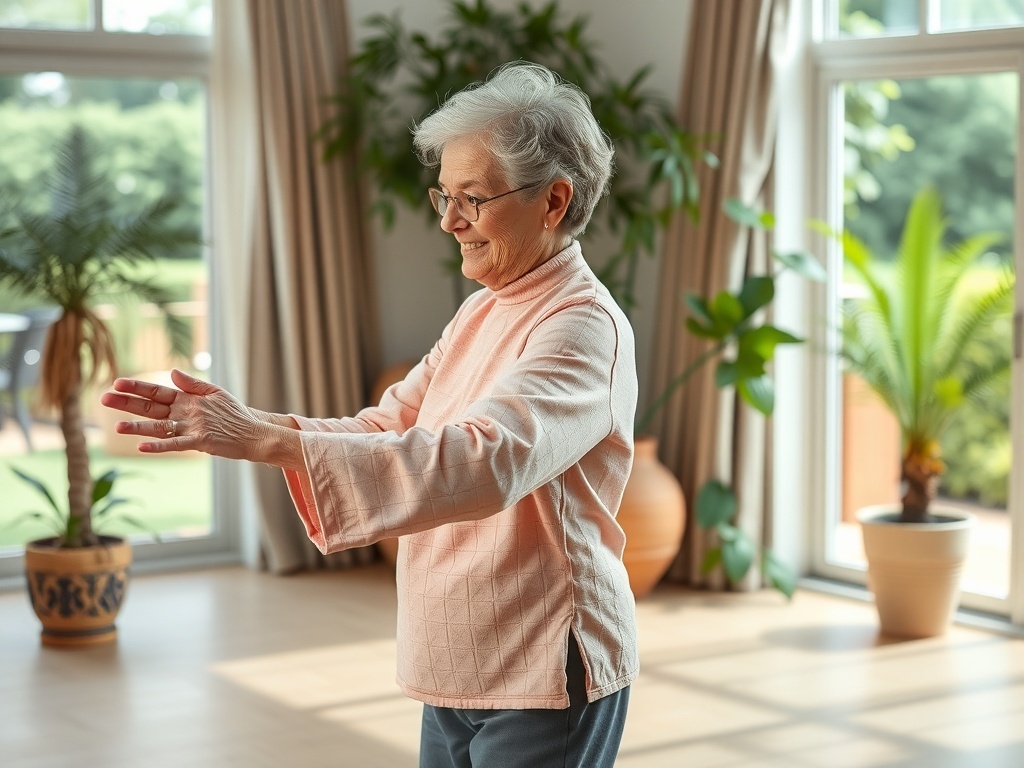
[AI-generated illustrative image] Image for illustration purposes
If you are like me, the “Golden Years” may not be as enjoyable from a physical standpoint as we age. One aspect of aging that can be overlooked is the ability to maintain balance, one of the most critical aspects in overall health. Lack of balance for seniors can directly be associated with falls, that not only may cause injury, but unfortunately deaths as well.
These is some good news however! Balance is a skill that can be trained, improved, and maintained at virtually any age with the right exercises and the proper guidance. In this article, we will take a look at a number of balance exercises for seniors including the benefits and best fitness equipment to be used with these exercises. Let’s get started:
Recommended Equipment for Balance Training
Every product used in this guide — organized by purpose so you can start with what matters most
Stand Assist
A sturdy grab handle that provides a reliable support point during standing balance exercises — essential for seniors starting out who need a safe anchor while building confidence.
Used in: Single-Leg Stand, Heel-to-Toe Walk, Calf Raises
Non-Slip Yoga Mat
Provides a stable, grippy surface underfoot — reduces the risk of slipping during standing exercises and cushions the feet and joints during longer sessions.
Used in: Single-Leg Stand, Tai Chi Weight Shifts, Calf Raises, All Standing Exercises
Stander EZ Stand-N-Go
A handle that attaches to sofas and recliners, making it significantly easier and safer to rise to a standing position from a low seat — ideal for seniors who find the sit-to-stand transition the most challenging part of their day.
Used in: Sit-to-Stand Exercise
TheraBand Resistance Band Set
Gentle, color-coded resistance bands designed specifically for rehabilitation and senior fitness — adds progressive challenge to leg lifts and marching exercises without straining the joints.
Used in: Standing Marching in Place, Leg Lifts
Balance Trainer (BOSU / Half Ball)
An inflatable half-dome that creates a gently unstable surface — standing on it during marching or calf raises forces the stabilizing muscles to engage more deeply, accelerating balance improvement over time.
Used in: Standing Marching in Place (advanced), Calf Raises (advanced)
Balance Board
A flat board that rocks on a central pivot point — trains the ankles and stabilizing muscles to make rapid micro-corrections, the exact skill needed to catch yourself when you stumble. Best introduced once you’re comfortable with the basics.
Used in: Calf Raises (advanced), Progressive Balance Training
Tai Chi Instructional DVD Videos
Step-by-step guided Tai Chi programs designed for seniors — provides structured instruction for the weight-shifting and flow movements that research shows reduce fall risk by up to 43% with consistent practice.
Used in: Tai Chi-Based Weight Shifts
Tai Chi Slippers
Thin, flat-soled slippers that maximize the tactile feedback between your feet and the floor — a key part of effective Tai Chi practice that improves proprioception (your body’s sense of where it is in space).
Used in: Tai Chi-Based Weight Shifts, All Tai Chi Practice
As an Amazon Associate I earn from qualifying purchases. Prices are accurate at time of writing and subject to change.
Why Balance Declines With Age — and Why It Matters
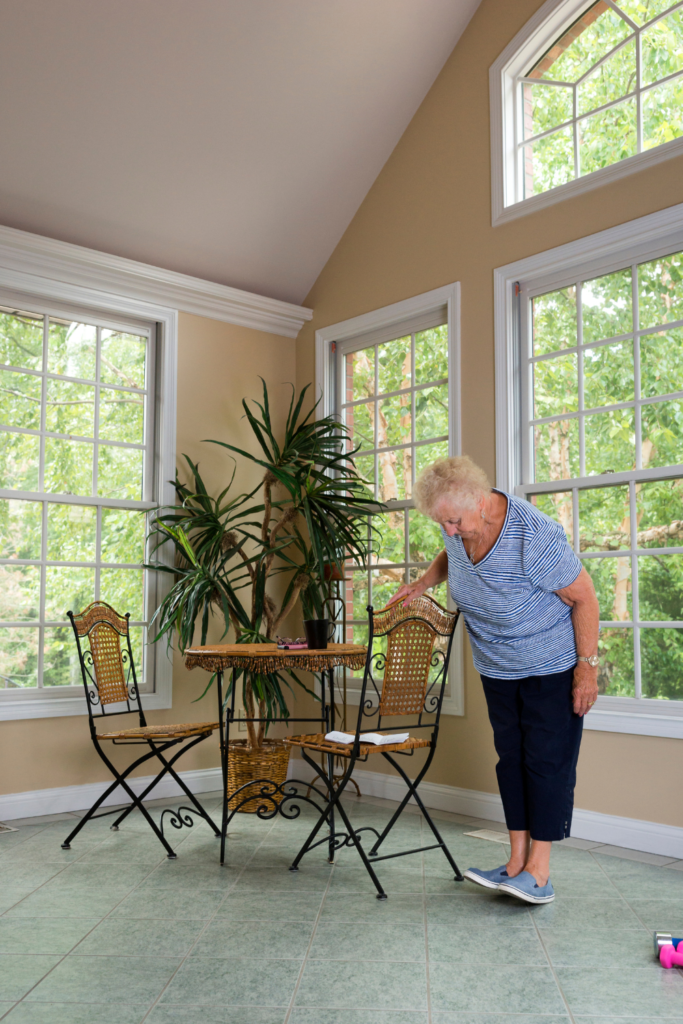
[AI-generated illustrative image] Image for illustration purposes
According to Dartmouth Health, balance problems in older adults often stem from muscle loss, certain medications, inner ear issues, and other medical conditions. Dizziness — which is more common in older adults and women — is a related risk factor, and persistent dizziness is worth discussing with a doctor. (Source: Dartmouth Health)
Before starting any new exercise program, seniors should consult with their primary care physician or a physical therapist. This is especially important for those with a history of falls, chronic dizziness, neurological conditions or joint problems in the hips, knees, or ankles.
The Core Balance Exercises for Seniors
1. Single-Leg Stand
How to perform it: Stand behind a sturdy chair, holding the back lightly with both hands. Slowly lift one foot off the ground and hold for 10–30 seconds. Lower the foot, pause briefly, then repeat on the other side. Aim for 3 repetitions per side.
As you build confidence, progress by holding the chair with one finger, then no hands at all. Eventually, try closing your eyes briefly to further challenge your vestibular system.
Benefits: This is one of the most fundamental balance exercises available. It directly trains the stabilizing muscles of the ankle, knee, and hip — the muscles that engage in the fraction of a second when you trip or shift your weight unexpectedly. Studies have linked improved single-leg stance time with significantly reduced fall risk.
Recommended product: A Stand Assist or non-slip yoga mat provides the stability you need as a safety anchor.
2. Heel-to-Toe Walk (Tandem Walk) (See This Video)
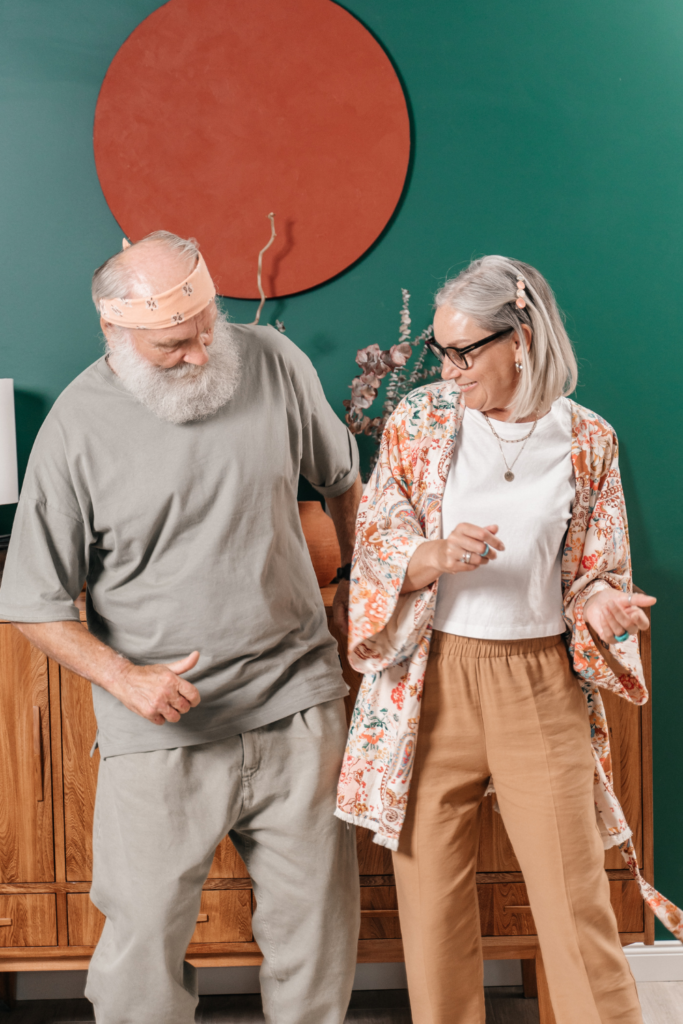
[AI-generated illustrative image] Image for illustration purposes
How to perform it: Stand near a wall or hallway for support. Place the heel of one foot directly in front of the toes of the other foot, as if walking a tightrope. Take 15–20 steps forward in this narrow line, keeping your gaze forward rather than looking down at your feet.
Benefits: This exercise trains dynamic balance — the kind that’s active when you’re moving, not just standing still. It strengthens the hip abductors, improves coordination between the left and right sides of the body, and builds the confidence to walk across uneven terrain. Many physical therapists use this as both a training tool and a diagnostic one, since difficulty with the tandem walk is a known predictor of fall risk.
3. Sit-to-Stand Exercise (See This Video)
How to perform it: Begin by selecting a firm chair with armrests, placed against a wall so it cannot slide backward. Sit with your feet flat on the floor, shoulder-width apart, and positioned slightly behind your knees. Lean gently forward from the hips — not the waist — and use both hands pressing down on the armrests to assist as you push yourself to a standing position. Once upright, pause for a moment to find your balance before sitting back down. Lower yourself slowly and with control, using the armrests to guide the descent. Never drop down — the lowering phase is just as important as the rise. Repeat 8–10 times.
A caregiver or spotter standing nearby is strongly recommended for first-time attempts. If dizziness occurs upon standing, pause, hold the armrests, and wait for it to pass before taking any steps.
Benefits: The sit-to-stand motion is one of the most essential functional movements in a senior’s daily life, performed dozens of times every day. Using the armrests for support does not diminish the exercise — it makes it safer and sustainable. The movement strengthens the quadriceps, glutes, and core while training the body to manage positional transitions confidently and securely. Building this pattern with proper support first significantly reduces the risk of falls during everyday activities like rising from a sofa, toilet, or dining chair.
Recommended product: A sturdy chair with armrests such as the Stander EZ Stand-N-Go for sofas for recliners or a sturdy chair of your choice with armrests gives seniors a safe and reliable surface to push from in any room of the home.
4. Standing Marching in Place
How to perform it: Stand behind a sturdy chair, holding it lightly for support. Lift one knee up toward hip height, hold for one second, then lower and alternate sides. Perform 10–20 marches per side in a steady, controlled rhythm. As strength improves, try marching without holding the chair.
Benefits: Marching builds hip flexor strength and improves the neuromuscular coordination required to lift the feet properly during walking — a common deficit that leads to shuffling and tripping in older adults. It also engages the core, which is critical for upright posture and overall balance control.
Recommended product: Resistance bands such as the TheraBand Resistance Band Set provide gentle, adjustable resistance for leg lifts and marching variations. A balance trainer or stability board can also add an additional proprioceptive challenge for those who have progressed past the basic level.
5. Tai Chi-Based Weight Shifts (See This Video)
[AI-generated illustrative image] Image for illustration purposes
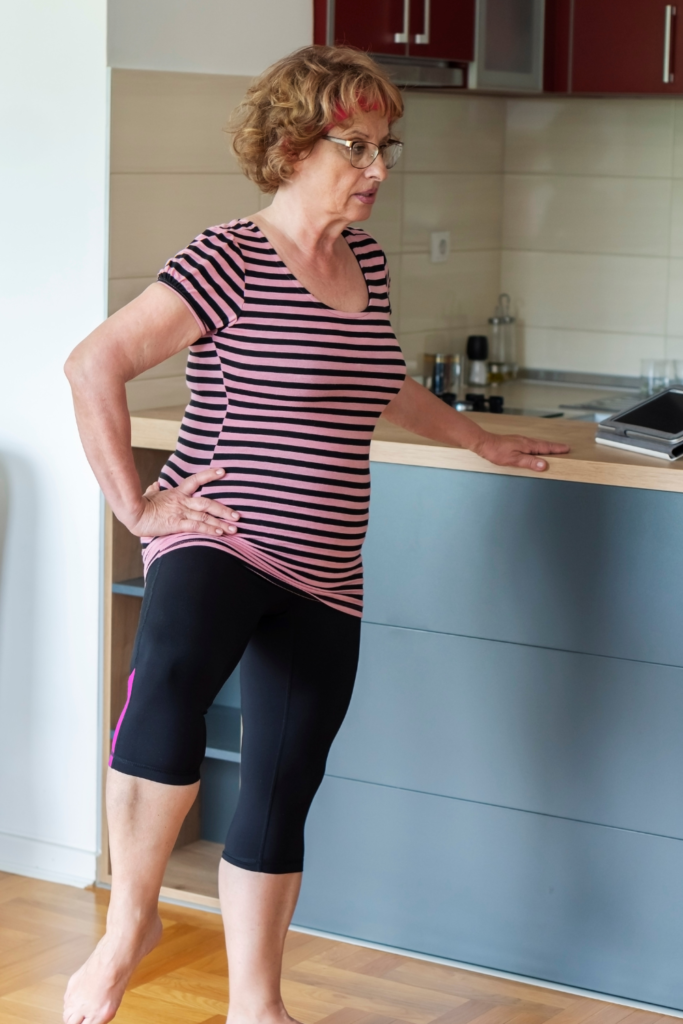
How to perform it: Stand with feet shoulder-width apart, arms relaxed at your sides. Slowly shift your weight entirely onto your left foot, allowing your right foot to become light. Hold for 5 seconds, then slowly shift to the right. Add a gentle arm swing for additional coordination training. Complete 10–15 shifts per side.
Benefits: “A meta-analysis of clinical trials published in the Journal of the American Geriatric Society found that Tai Chi practice may reduce fall frequency by approximately 43% among community-dwelling older adults over the short term.”
Recommended product: Tai Chi instructional DVDs or streaming programs are excellent starting points. A non-slip exercise mat and comfortable tai chi slippers with flat, thin soles improve tactile feedback during practice.
6. Calf Raises
How to perform it: Stand behind a chair with both hands resting lightly on the back for support. Rise slowly onto the balls of your feet, hold for 2–3 seconds, then lower with control. Repeat 15–20 times. Progress to one-legged calf raises as strength improves.
Benefits: The calves and ankles are the body’s first line of defense against balance disruption. Strong calf muscles allow rapid ankle correction, which is often the difference between catching yourself and falling. Calf raises also improve circulation in the lower legs, reducing swelling and discomfort in seniors who spend long periods standing or sitting.
Recommended product: A balance board adds an unstable surface to this exercise, intensifying the proprioceptive training. For those with knee or ankle sensitivity, a gel cushion mat reduces joint impact.
Building a Consistent Routine
Aim to practice balance exercises at least three to four times per week. Sessions don’t need to be long — 15 to 20 minutes of focused work is enough to produce measurable results over time. Consistency matters far more than duration.
Track your progress by timing how long you can hold a single-leg stand, or counting how many tandem steps you can complete. Recording small improvements builds motivation and provides objective evidence that your training is working.
Final Thoughts
[AI-generated illustrative image] Image for illustration purposes
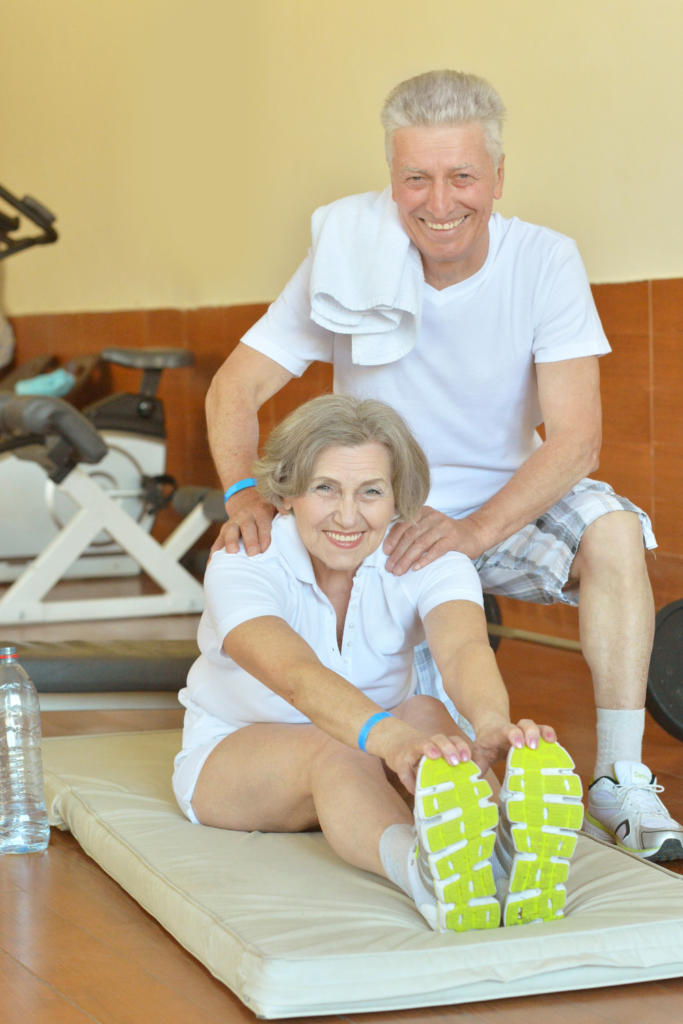
Just turning 70 in a short few months, I can tell you that both myself and my wife follow a routine just like the one we discussed above. Thankfully, neither one of us have experienced any falling, and we firmly believe in staying active to avoid this. Balance training doesn’t have to be complicated or intimidating — it simply has to be consistent. Whether you’re just starting out with a single-leg stand beside your kitchen counter or you’ve worked your way up to a full Tai Chi routine, every small effort adds up to something meaningful.
The exercises in this guide are designed to meet you exactly where you are, at your own pace, in the comfort of your own home. There’s no finish line, no competition — just steady, daily progress toward feeling more confident and capable in your body. Most importantly, remember that staying active is one of the greatest gifts you can give yourself as you age. Strong legs, steady footing, and the confidence to move freely through the world is something not to be taken for granted. Your balance, your independence, and your quality of life are absolutely worth it — and it’s never too late to start.