Disclaimer: This post contains affiliate links. As an Amazon Associate, I earn from qualifying purchases. If you click through and buy any home fitness gear, I receive a small commission at no additional cost to you.
Disclaimer: The information on this blog is for educational purposes only and does not substitute for professional medical advice. Always consult a physician before starting a new exercise program or using home gym equipment.

[AI-generated illustrative image] Image for illustration purposes
Nothing worse than having a back that just disrupts your everyday activity. Bothersome to sit too long, stand to long, bending over to feed your pet. If this describes you, this article may be for you. If you are looking to build a stronger, more defined back without needing tons of equipment, a kettlebell may be a great choice. The best part? You don’t need to be a fitness pro to get started.
Kettlebells are incredibly versatile and can help you target key back muscles. The kettlebell back workout is easy to learn and can be performed right from the luxury of your home. In this article, we will take a detailed look at these kettlebell back exercises and share helpful tips to get you started. A few simple kettlebell exercises can go a long way in building a stronger, powerful back in a short period of time. Let’s take a look:
A note on technique: Movements like kettlebell swings, snatches, and Turkish get-ups are technique-sensitive — improper form (especially rounding the back during swings) can lead to real injury. If you’re new to these movements, consider learning proper form from a qualified trainer or a detailed instructional video before adding weight or intensity.
Why Kettlebells Are Ideal for Back Training
Kettlebells are great for back exercises because they provide a number of benefits. In addition to building a strong back, these kettlebell exercises promote a better overall posture and balanced body. They help build functional strength — meaning the kind of strength you actually use in everyday life. Because kettlebell movements often involve multiple muscle groups and dynamic motion, they improve coordination, balance, and overall body control.
Finally, they provide versatility and convenience. With just one kettlebell, you can perform dozens of exercises (more on that a bit later) that target your entire body, making it a perfect option for home workouts or anyone looking to save time without sacrificing results. No need to pay for expensive gym memberships!
Essential Equipment and Setup for Your Kettlebell Back Workout

[AI-generated illustrative image] Image for illustration purposes
Choosing the Right Kettlebell Weight
These Kettlebell products are available in a number of total weight options. Which one is best for your workout? The answer to this question is one of personal preference. Below I have a listed a number of options based on my research. These are just a suggestion, as I am not aware of your strength or your overall goals. Beginners should start with lighter weights and move up as they get stronger.
- Beginners: 8-12 kg (18-26 lbs)
- Intermediate: 12-16 kg (26-35 lbs)
- Advanced: 16 kg or more (35 lbs or more)
In a nutshell, it’s important to obtain and use the correct kettlebell weight in your back exercises. Using a kettlebell that’s too heavy can hurt your form and lead to injuries.
The Ultimate Kettlebell Back Workout Routine
[AI-generated illustrative image] Image for illustration purposes
Workout Structure and Frequency
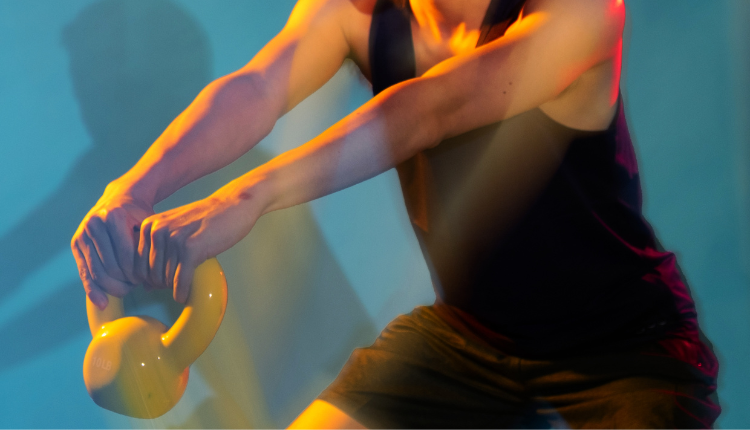
Focus on different muscle groups in your kettlebell back workout. Aim to train your back 2-3 times a week. This lets your muscles recover well. Include all muscle groups.
Key considerations for workout structure include:
- Warm-up and stretching before starting
- A mix of compound exercises like kettlebell deadlifts and rows
- Incorporating isolation exercises for targeted muscle groups
- Cool-down stretches to prevent injury and aid recovery
Sample Workout Routines for Different Levels
Here are kettlebell back workout routines for beginners, intermediate, and advanced users.
Beginner Routine:
- Kettlebell deadlifts: 3 sets of 8-12 reps
- Kettlebell rows: 3 sets of 10-15 reps per arm
- Kettlebell swings: 3 sets of 12-15 reps
Intermediate Routine:
- Kettlebell sumo deadlifts: 3 sets of 10-12 reps
- Single-arm kettlebell rows: 3 sets of 12-15 reps per arm
- Kettlebell snatches: 3 sets of 12-15 reps per arm
Advanced Routine:
- Kettlebell deficit deadlifts: 3 sets of 8-10 reps
- Kettlebell renegade rows: 3 sets of 10-12 reps per arm
- Kettlebell windmills: 3 sets of 10-12 reps per side
Foundational Kettlebell Exercises for Back Strength
Mastering a few key kettlebell exercises is crucial for a strong back. These exercises work many muscles at once. They boost strength, improve posture, and enhance athletic performance. Let’s dive into the essential kettlebell exercises for a stronger back.
Kettlebell Deadlifts

[AI-generated illustrative image] Image for illustration purposes
Kettlebell deadlifts target the back, glutes, and hamstrings. They’re vital for strengthening lower body and back.
Proper Form and Technique
To do a kettlebell deadlift right, keep your back straight and core tight. Proper form is key.
Common Mistakes to Avoid
Don’t round your back or lift with your arms. Keep your spine neutral.
Kettlebell Rows
Kettlebell rows focus on the latissimus dorsi, trapezius, and rhomboid muscles.
[AI-generated illustrative image] Image for illustration purposes
Single-Arm and Double-Arm Variations
Single-arm rows work each side of the back, helping spot and fix imbalances. Double-arm rows offer a workout for both sides.
Targeting Different Back Muscles
Change your grip and stance to work different muscles.
Kettlebell Swings
[AI-generated illustrative image] Image for illustration purposes
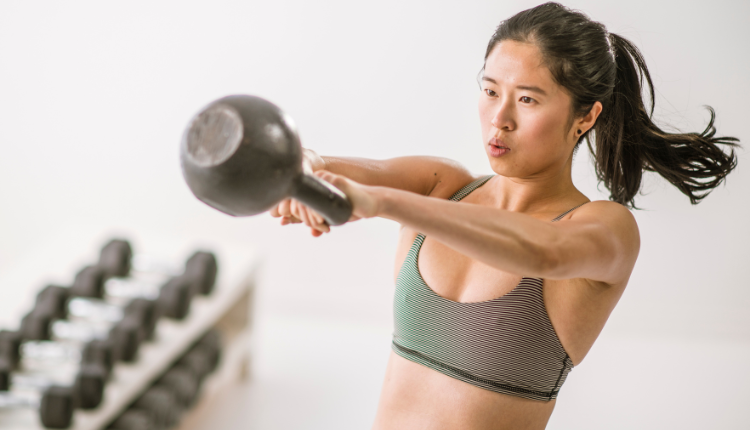
Kettlebell swings work the back, glutes, and hamstrings. Great for building power.
Russian vs. American Swing Technique
The Russian swing reaches chest height, while the American swing goes above the head. Both of these are effective, but the American swing needs more shoulder mobility.
Back Engagement Cues
To engage your back in swings, squeeze your glutes and keep your spine neutral. This boosts power and protects your lower back.
Kettlebell Farmer’s Carries
[AI-generated illustrative image] Image for illustration purposes
Farmer’s carries strengthen the back, shoulders, and grip. They involve carrying kettlebells in each hand while walking.
Posture Benefits and Execution
Farmer’s carries improve posture by strengthening the spine’s supporting muscles. To do them right, engage your core and keep your shoulders back.
Progressive Loading Strategies
To make farmer’s carries harder, use heavier kettlebells or carry them further. Increasing the challenge is essential for continued strength growth.
Integrating Core Work Into The Kettlebell Back Workout

[AI-generated illustrative image] Image for illustration purposes
Kettlebell exercises that target both the back and core can change your workout routine. A kettlebell back workout isn’t just for the back muscles. It also strengthens the core for better stability and overall strength.
The Back-Core Connection
The back and core muscles work together for stability and movement. Strengthening one core without the other can cause imbalances and injuries. Exercises that target both areas improve strength and posture.
Kettlebell Exercises That Target Both Back and Core
To add core work to your kettlebell back workout, try these exercises:
Turkish Get-Ups
[AI-generated illustrative image] Image for illustration purposes
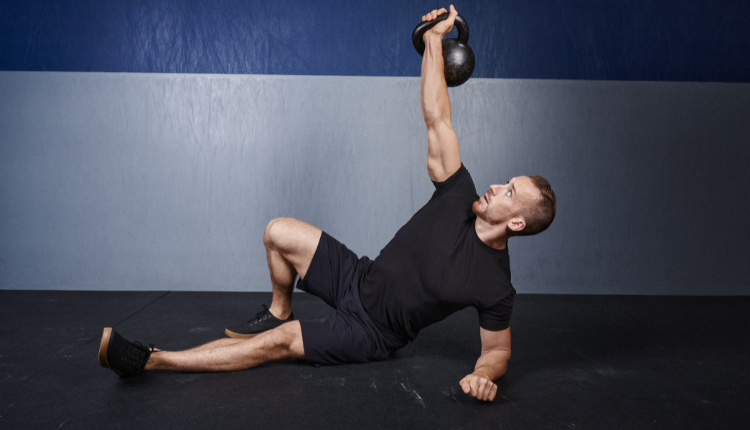
Turkish getups work many muscles, including the back, core, and legs. Exercise also boosts strength and stability by requiring control and coordination.
Kettlebell Halos
Kettlebell halos target the upper back and core. Moving the kettlebell around your head works a number of body parts, including shoulders, upper back, and core. It improves flexibility and strength.
Side Bends
Side bends with kettlebells focus on the obliques for rotational strength and core stability. In addition, they also work the lower back, enhancing back strength.
Conclusion: Mastering the Kettlebell Back Workout
Ready to get started on building a strong and healthy back? Incorporating the kettlebell exercises detailed above is a great starting point to improve your posture, balance, and overall body control. Remember, the key is to start light, focus on your technique, and gradually increase the weight as your confidence and strength grow. Each rep you complete brings you closer to a stronger, more functional, and well-balanced physique.
Whether your goal is to build muscle, enhance endurance, or simply move and feel better, kettlebell training offers endless possibilities. As a bonus, each one of these kettlebell exercises can be performed right at home. Thank you for visiting my website and I certainly hope the information you have received proves to be beneficial!