Considering a fitness routine to improve your overall health? If so, this article may provide you with some valuable insight. No longer does staying active require a gym membership, expensive machines, or that stressful commute to the gym across town. A full body workout at home allows you to build muscle, burn calories, and improve overall fitness using minimal equipment with an easy routine to follow.
Whether you are a beginner or experienced in fitness, at-home workouts offer flexibility, convenience, and consistency. By training both your upper and lower body, you can achieve balanced strength, improved endurance, and better posture. This complete guide will walk you through effective exercises, their benefits, and the essential workout equipment that can help you reach your goals. Let’s get started:
Disclaimer: This post contains affiliate links. As an Amazon Associate, I earn from qualifying purchases. If you click and make a purchase, I may earn a small commission at no extra cost to you.
Upper Body Workout at Home
Let’s start this full body workout by first taking a look at an upper body workout. Strengthening your upper body improves posture, enhances daily movement, and increases overall strength. These exercises target your chest, shoulders, arms, back, and core. Each movement can be performed using bodyweight or minimal equipment, making them perfect for home workouts.
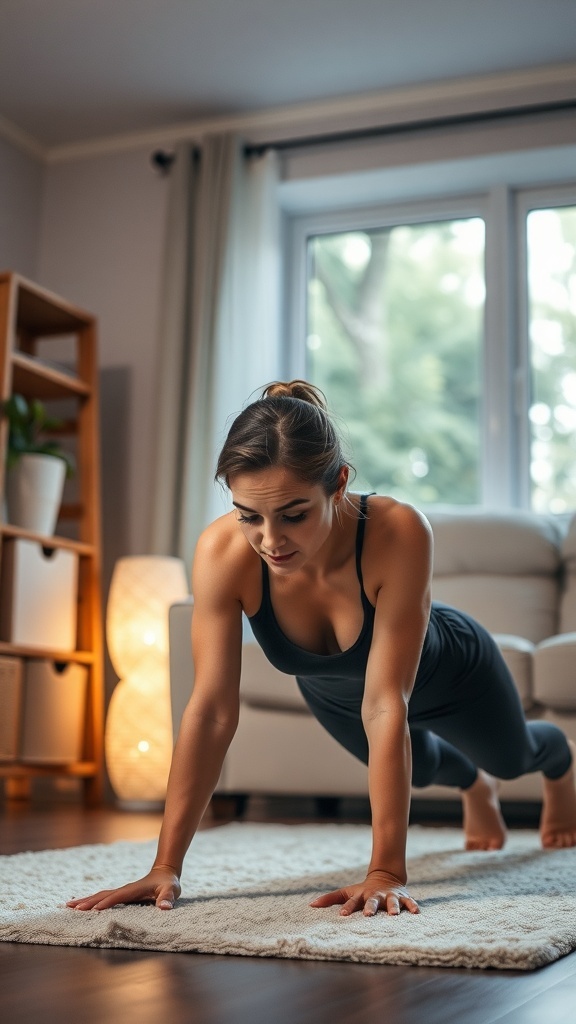
1. Push-Ups
How to Perform:
Start in a plank position with your hands placed slightly wider than shoulder-width apart. Lower your chest toward the floor while keeping your core tight and your body in a straight line. Push back up through your palms until your arms are fully extended.
Benefits:
Push-ups strengthen the chest, shoulders, triceps, and core. They improve upper body endurance and promote functional strength that supports daily movements. This exercise also enhances core stability and posture while increasing overall muscle tone.
Workout Equipment:
No equipment is required, but a yoga mat can provide comfort and support for your hands and wrists.
2. Resistance Band Rows (Video)
How to Perform:
Secure a resistance band around a sturdy object. Hold the ends of the band, step back slightly to create tension, and pull your elbows back while squeezing your shoulder blades together. Slowly return to the starting position.
Benefits:
Resistance band rows strengthen the upper back, shoulders, and biceps while improving posture. They help counteract the effects of prolonged sitting and reduce shoulder tension. This exercise also supports spinal alignment and back stability.
Workout Equipment:
Resistance bands of light to medium tension provide adjustable difficulty for beginners and advanced users.
3. Dumbbell Shoulder Press

How to Perform:
Hold a dumbbell in each hand at shoulder height with palms facing forward. Press the weights upward until your arms are fully extended. Slowly lower back down with control.
Benefits:
This exercise strengthens the shoulders, triceps, and upper chest. It improves shoulder mobility and enhances functional strength for lifting and carrying. Regular practice can also increase upper body endurance and muscle definition.
Workout Equipment:
A pair of light to moderate dumbbells allows adjustable resistance.
4. Triceps Dips (Video)
How to Perform:
Sit on a sturdy chair or bench with your hands gripping the edge. Extend your legs forward and lower your body by bending your elbows. Push back up until your arms are straight.
Benefits:
Triceps dips target the back of the arms while also engaging the shoulders and core. They help tone the arms and build functional pushing strength. This movement enhances joint stability and upper body endurance.
Workout Equipment:
A stable chair, bench, or couch edge is sufficient.
5. Plank Shoulder Taps (Video)
How to Perform:
Begin in a plank position with your hands directly under your shoulders. Lift one hand to tap the opposite shoulder, then switch sides, keeping your core tight and hips stable.
Benefits:
This exercise strengthens the shoulders, arms, and core while improving balance and coordination. It enhances stability and helps build endurance in the upper body. Shoulder taps also support better posture and trunk control.
Workout Equipment:
A yoga mat can add comfort and grip.
Lower Body Workout at Home
Lower body exercises build strength in the glutes, quadriceps, hamstrings, and calves. These movements improve mobility, stability, and overall athletic performance while supporting daily functional tasks.
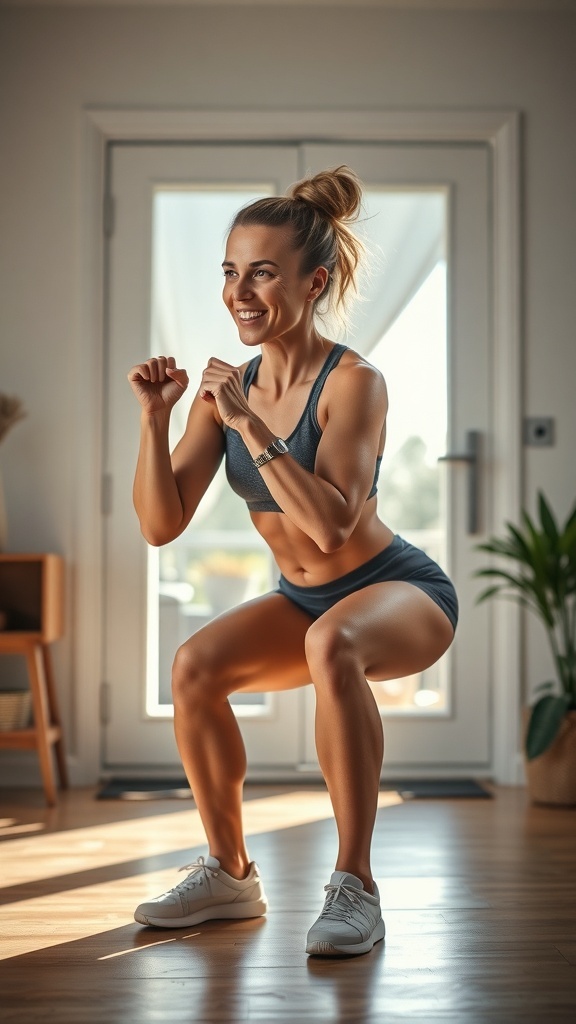
1. Bodyweight Squats
How to Perform:
Stand with feet shoulder-width apart. Lower your hips down and back as if sitting in a chair, keeping your chest upright. Push through your heels to return to standing.
Benefits:
Squats strengthen the glutes, thighs, and calves while enhancing mobility and balance. They boost lower body power and support joint health. Squats also increase calorie burn and improve posture.
Workout Equipment:
Optional dumbbells or kettlebells can add resistance.
2. Reverse Lunges (Video)
How to Perform:
Step one foot backward into a lunge position, lowering both knees until the front thigh is parallel to the floor. Push through the front heel to return to standing and repeat on the opposite side.
Benefits:
Reverse lunges strengthen the glutes, quadriceps, and hamstrings while improving balance and stability. They reduce knee strain compared to forward lunges. This movement also enhances coordination and mobility.
Workout Equipment:
Dumbbells can be added for increased resistance.
3. Glute Bridges (Video)

How to Perform:
Lie on your back with knees bent and feet flat on the floor. Lift your hips upward by squeezing your glutes, then slowly lower back down.
Benefits:
Glute bridges strengthen the glutes, lower back, and core. They help improve posture and reduce lower back discomfort. This exercise enhances hip stability and functional strength.
Workout Equipment:
Optional resistance bands or dumbbells can increase intensity.
4. Step-Ups (Video)
How to Perform:
Step one foot onto a sturdy chair or bench and push through the heel to lift your body upward. Step down carefully and switch sides.
Benefits:
Step-ups target the glutes, quads, and calves while improving balance and coordination. They mimic everyday movements such as climbing stairs. This exercise increases cardiovascular endurance and lower body strength.
Workout Equipment:
A stable chair, bench, or step platform.
5. Standing Calf Raises
How to Perform:
Stand with feet hip-width apart and slowly rise onto the balls of your feet. Lower your heels back down with control.
Benefits:
Calf raises strengthen the lower leg muscles, improve ankle stability, and support better balance. They enhance mobility and reduce the risk of injury. Strong calves also support athletic movement and endurance.
Workout Equipment:
Optional dumbbells for added resistance or a step platform for increased range of motion.
Two Effective Full Body Workouts at Home
1. Bodyweight Circuit Workout
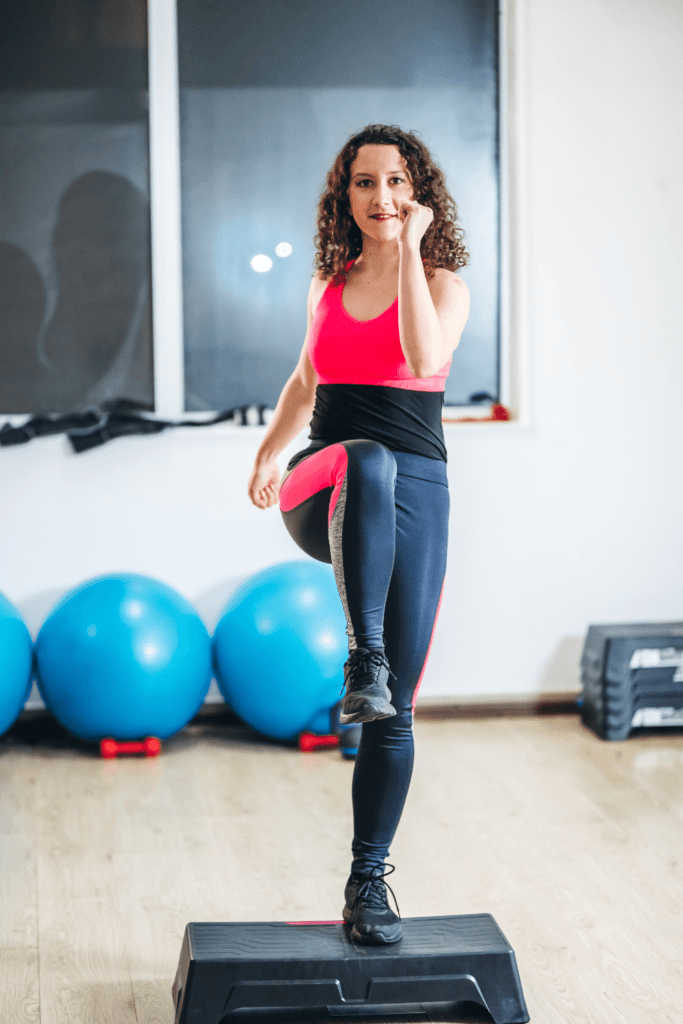
This workout combines push-ups, squats, lunges, planks, and jumping jacks in a continuous circuit. Perform each exercise for 30 to 45 seconds, resting for 15 seconds between movements. Complete three to four rounds for a full-body burn. This routine builds strength, endurance, and cardiovascular fitness while burning calories efficiently. It is ideal for busy schedules and minimal equipment use.
2. Dumbbell Strength Training Routine
This routine includes dumbbell squats, shoulder presses, bent-over rows, glute bridges, and triceps extensions. Perform 3 sets of 10 to 12 repetitions for each exercise. This full body workout improves muscle tone, strength, and metabolic rate. It also supports joint health and functional movement patterns. Adjustable dumbbells make this routine suitable for all fitness levels.
Final Thoughts
As you can see, a full body workout at home is one of the most effective ways to stay active, strong, and healthy without stepping into a gym. With the right combination of upper and lower body exercises, you can build muscle, burn fat, and improve overall fitness. Consistent training using simple equipment allows for flexibility and long-term sustainability. Whether you choose bodyweight movements or dumbbell routines, home workouts can deliver powerful results. By staying committed, you can achieve lasting strength, confidence, and improved well-being.
Disclaimer: I am not a healthcare professional. The purpose of this article is to provide general information for public consumption and is not meant to substitute for medical advice. Please consult a doctor prior to making significant changes in your diet, lifestyle, or exercise regimen.