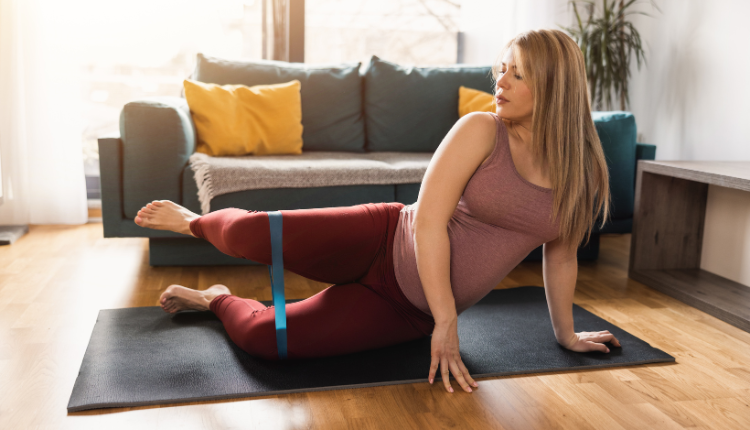
Having some difficulty in doing those daily tasks that were once taken for granted? If so, you are not alone. According to the The Mobility Resource, “More than 18 million people have limited mobility caused by everything from accidents to disease to the aging process.“ This is quite an alarming number! Fortunately for us, there a number of mobility exercises that go a long way in improving how our joints move by combining strength and flexibility.
Here’s a quick snapshot of how these exercises work. Instead of passively stretching muscles, these mobility exercises actively guides joints through their full range of motion, helping you move more efficiently and with less discomfort. For your convenience, I have listed a number of these exercises to help and improve mobility. You will find a structured guide to hip, shoulder, ankle, and knee mobility exercises, with each exercise broken down by what it does first, followed by how to perform it and the products that support proper execution. Let’s take a look:
Disclaimer: This post contains affiliate links. As an Amazon Associate, I earn from qualifying purchases. If you click and make a purchase, I may earn a small commission at no extra cost to you.
Hip Mobility Exercises
Hip mobility exercises are critical for walking, sitting, squatting, and maintaining lower-back health. Because the hips connect the upper and lower body, improving mobility here reduces strain on surrounding joints.
Benefits of Hip Mobility Exercises
- Improves movement efficiency and posture
- Reduces lower-back and hip stiffness
- Supports balance and lower-body strength
Hip Circles
Exercise Details
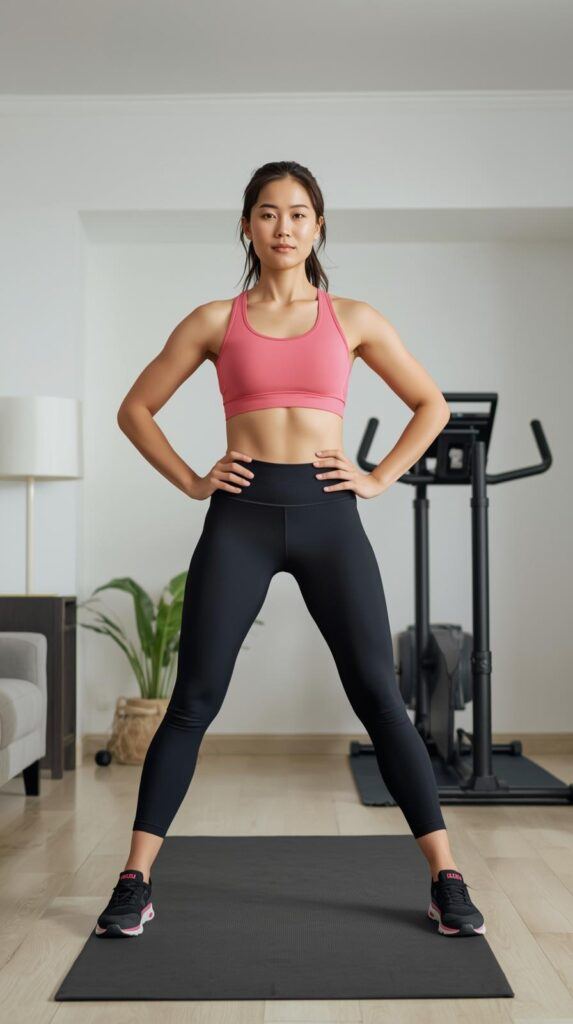
Hip circles move the hip joint through multiple planes of motion, including rotation, flexion, and extension. This helps lubricate the joint by increasing synovial fluid, which supports long-term joint health. The exercise also improves body awareness and coordination, making everyday movements smoother and more controlled.
How to Perform
- Stand with feet hip-width apart
- Place hands on hips
- Slowly rotate hips in a circular motion
- Perform 8–10 circles in each direction
View This Video To See The Proper Technique
Helpful Products
90/90 Hip Rotations

Exercise Details
This exercise targets internal and external hip rotation, which is often limited by prolonged sitting. It strengthens the muscles that stabilize the hip while improving range of motion. Better hip rotation can improve squat depth, walking mechanics, and reduce knee strain.
How to Perform
- Sit on the floor with both knees bent at 90 degrees
- One leg is in front, the other to the side
- Rotate both knees toward the opposite side with control
- Perform 6–10 reps per side
View This Video To See The Proper Technique
Helpful Products
Hip Flexor Mobility Stretch
Exercise Details
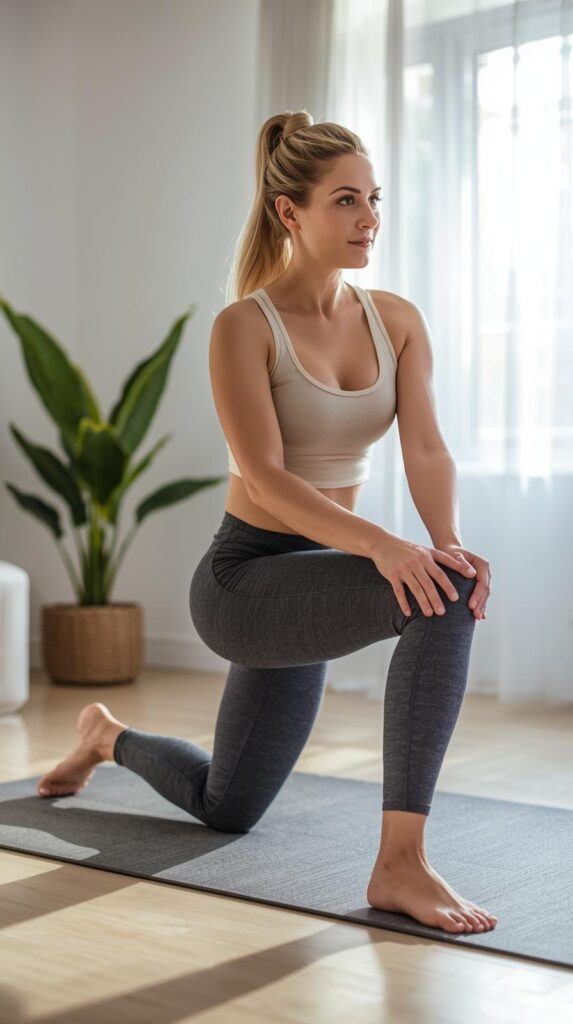
This movement lengthens tight hip flexors while encouraging glute engagement to protect the lower back. It counteracts stiffness caused by long periods of sitting. Improved hip flexor mobility supports better posture and reduces anterior pelvic tilt.
How to Perform
- Kneel on one knee with the opposite foot forward
- Gently shift hips forward
- Squeeze the glutes and keep chest upright
- Hold for 20–30 seconds per side
View This Video To See The Proper Technique
Helpful Products
Shoulder Mobility Exercises
Shoulder mobility exercises support one of the body’s most mobile joints. Proper mobility allows for smoother overhead movement, improved posture, and reduced shoulder and neck tension.
Benefits of Shoulder Mobility Exercises
- Enhances overhead range of motion
- Improves posture and shoulder alignment
- Reduces injury risk during upper-body activity
Arm Circles

Exercise Details
Arm circles gently warm up the shoulder joint and surrounding muscles. They increase circulation and improve coordination between the shoulders and upper back. This exercise prepares the shoulders for more demanding movements.
How to Perform
- Stand tall with arms extended to the sides
- Make small circles moving forward
- Gradually increase the size of the circles
- Reverse direction after 10–15 reps
View This Video To See The Proper Technique
Helpful Products
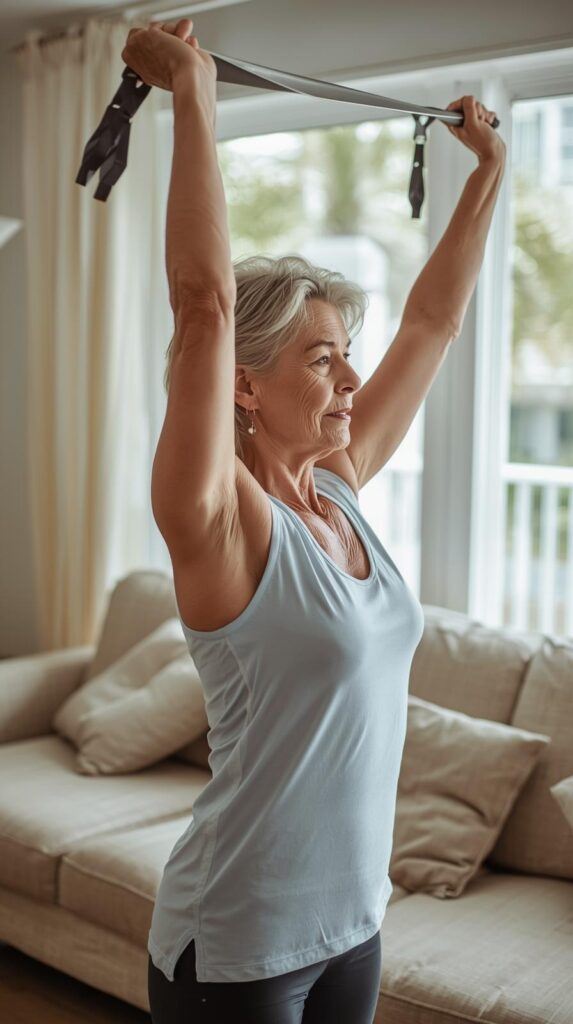
Shoulder Pass-Throughs
Exercise Details
Pass-throughs improve shoulder flexibility while maintaining joint control. They also encourage better alignment between the shoulders and thoracic spine. This exercise is especially useful for people who feel restricted during overhead lifting.
How to Perform
- Hold a resistance band or stick with a wide grip
- Raise arms overhead and slowly move them behind your body
- Return to the starting position with control
- Perform 8–12 reps
View This Video To See The Proper Technique
Helpful Products
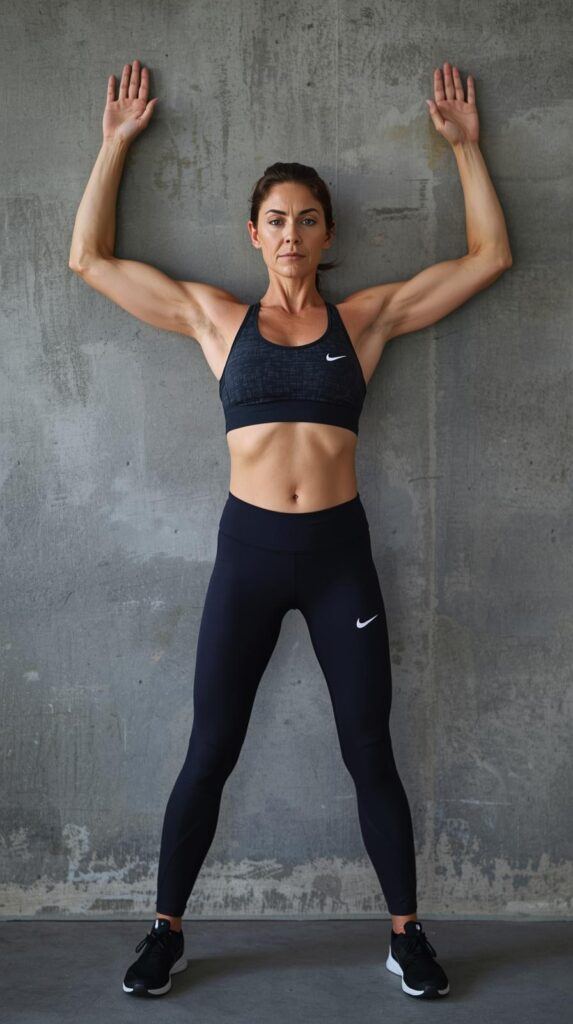
Scapular Wall Slides
Exercise Details
Wall slides strengthen the muscles that stabilize the shoulder blades. They improve posture by reinforcing proper shoulder positioning. This exercise is particularly helpful for reducing rounded shoulders and upper-back tension.
How to Perform
- Stand with back and arms against a wall
- Bend elbows at 90 degrees
- Slide arms upward while maintaining contact with the wall
- Lower arms slowly
- Perform 10–12 reps
View This Video To See The Proper Technique
Helpful Products
Ankle Mobility Exercises
Ankle mobility exercises improve balance, walking efficiency, and lower-body strength. Limited ankle mobility often leads to compensation at the knees and hips.
Benefits of Ankle Mobility Exercises
- Improves balance and coordination
- Enhances squat and lunge depth
- Reduces ankle stiffness and injury risk
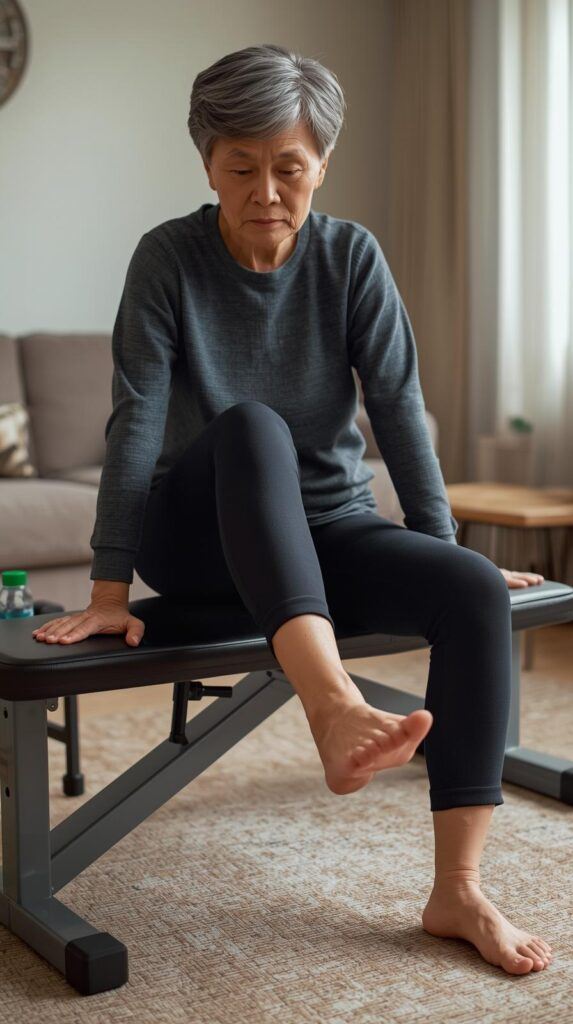
Ankle Circles
Exercise Details
Ankle circles move the joint through its full range of motion. This helps maintain joint health and improves motor control. They are especially effective as a warm-up before walking or workouts.
How to Perform
- Sit or stand while holding support
- Lift one foot off the ground
- Slowly rotate the ankle in circles
- Perform 10 reps in each direction
View This Video To See The Proper Technique
Helpful Products
- Resistance band for light tension
- Chair or wall for balance
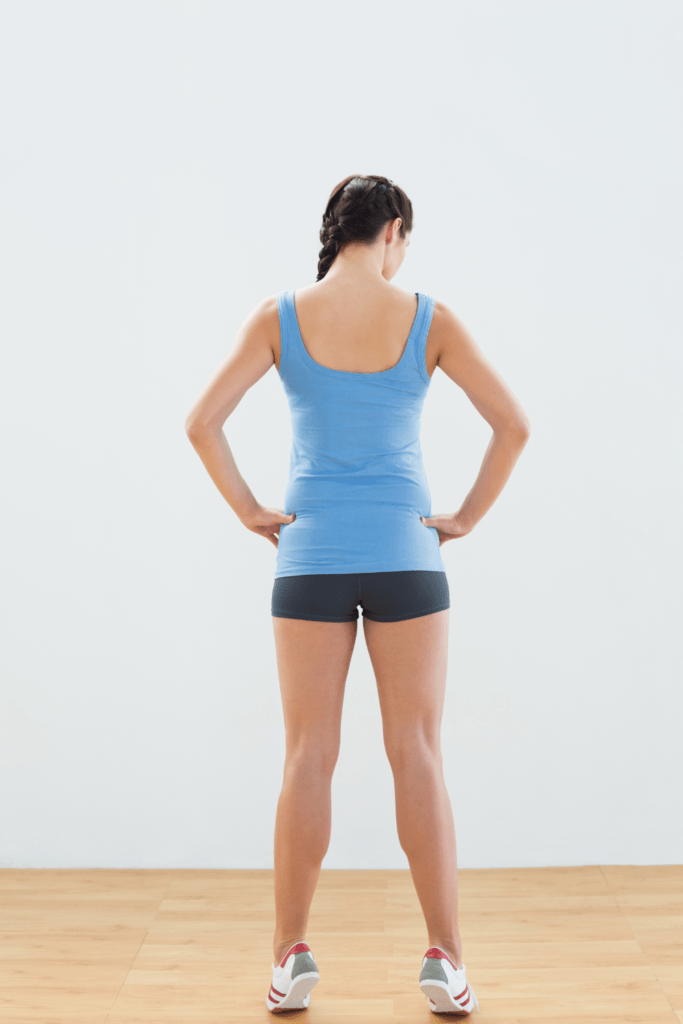
Heel-to-Toe Rocks
Exercise Details
Heel-to-toe rocks strengthen the muscles that support ankle stability. They improve weight transfer and control during walking. This exercise also enhances balance and foot awareness.
How to Perform
- Stand with feet hip-width apart
- Shift weight onto heels, lifting toes
- Rock forward onto toes, lifting heels
- Perform 10–15 controlled reps
View This Video To See The Proper Technique
Helpful Products
Knee Mobility Exercises
Knee mobility exercises support joint health by improving controlled movement and strengthening surrounding muscles. Healthy knees rely on proper hip and ankle function.
Benefits of Knee Mobility Exercises
- Improves joint comfort and range of motion
- Supports walking, squatting, and stair climbing
- Enhances knee stability and control
Seated Knee Extensions

Exercise Details
This exercise moves the knee through its full range while strengthening the quadriceps. It supports joint health without excessive load. Seated knee extensions are ideal for beginners or low-impact days.
How to Perform
- Sit in a sturdy chair with feet flat
- Slowly extend one leg until straight
- Lower with control
- Perform 10–12 reps per leg
View This Video To See The Proper Technique
Helpful Products
- Ankle weights
- Chair
Terminal Knee Extensions (Band-Assisted)
Exercise Details
Terminal knee extensions strengthen the muscles that stabilize the knee joint. They improve control during standing and walking. This exercise is commonly used to support knee health and rehabilitation.
How to Perform
- Anchor a resistance band behind the knee
- Step back to create tension
- Slightly bend the knee, then straighten it fully
- Perform 10–15 reps
View This Video To See The Proper Technique
Helpful Products
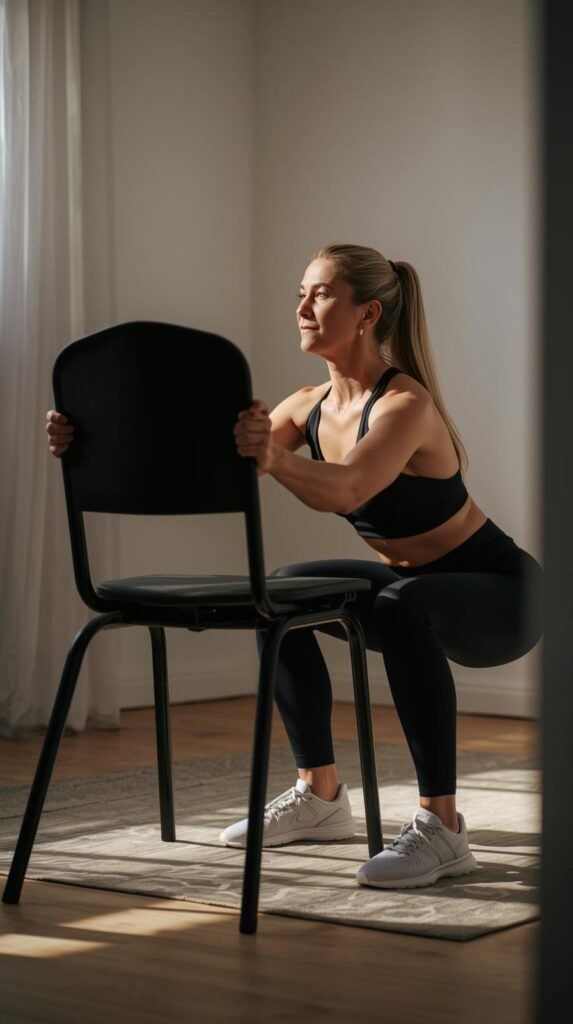
Assisted Squats
Exercise Details
Assisted squats improve knee mobility while reinforcing proper movement mechanics. Using support allows deeper movement without strain. This exercise also engages the hips and ankles for full lower-body coordination.
How to Perform
- Hold onto a stable surface for balance
- Lower into a squat slowly
- Keep knees aligned over toes
- Return to standing
View This Video To See The Proper Technique
Helpful Products
- Suspension trainer or chair
- Heel wedges
- Yoga mat
Final Thoughts
Hopefully, this article has provided you with some valuable insight regarding mobility and the exercises we discussed above. By focusing on hip mobility exercises, shoulder mobility exercises, ankle mobility exercises, and knee mobility exercises, you can improve the joints most responsible for everyday function. With supportive tools like resistance bands, yoga mats, balance pads, and wedges, mobility training becomes more comfortable, effective, and sustainable over time.
Disclaimer: I am not a healthcare professional. The purpose of this article is to provide general information for public consumption and is not meant to substitute for medical advice. Please consult a doctor prior to making significant changes in your diet, lifestyle, or exercise regimen.